How Can Macro and Water Tracking Support a Balanced Fitness Routine?
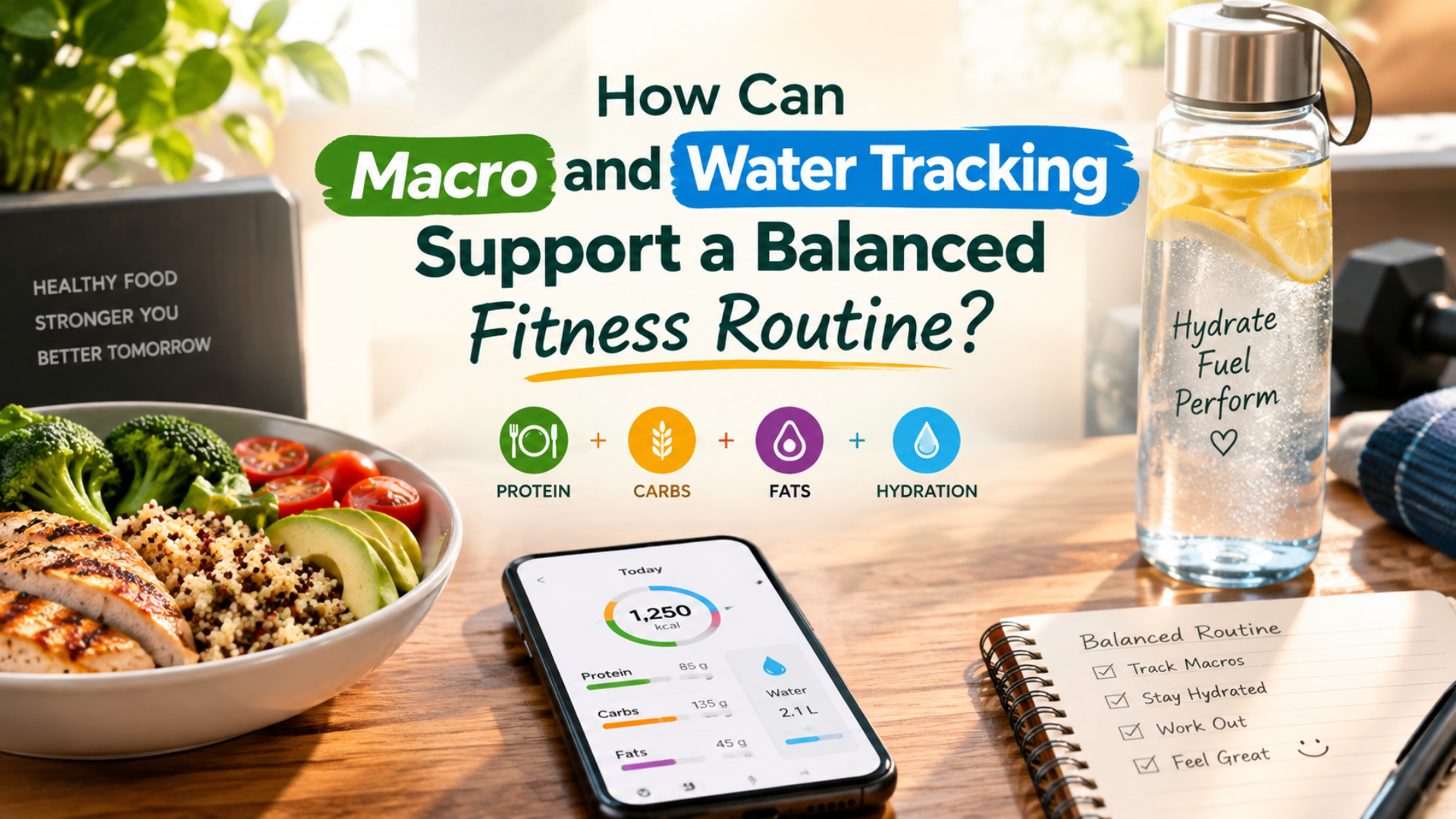
A balanced fitness routine involves more than completing workouts consistently. The body also needs appropriate nutrition and hydration to support energy, recovery, movement, and everyday performance. When these areas are considered together, it becomes easier to understand how food and fluid intake can complement physical activity rather than treating exercise as an isolated part of wellness.
***[Macro and Water Tracking](https://calorietrackerbuddy.com/blog/macro-and-water-tracking-best-beginner-app-2026/)*** can provide a simple way to observe how much protein, carbohydrates, fats, and fluid are being consumed throughout the day. This awareness can help people notice patterns in their daily habits and identify areas that may need more attention. Instead of focusing on a single meal or workout, tracking can encourage a broader view of nutrition and hydration across an entire day.
Connecting Macronutrients With Fitness Goals
Macronutrients play different roles in supporting an active lifestyle. Protein contributes to the maintenance and repair of body tissues, while carbohydrates provide an important source of energy for many forms of physical activity. Dietary fats also have important functions, including supporting normal cell processes and helping the body absorb certain vitamins.
Because individual nutrition needs can differ, there is no single macronutrient balance that works for everyone. Training frequency, activity level, age, body size, dietary preferences, and personal goals can all influence nutritional requirements. Tracking can therefore be useful as an awareness tool rather than a rigid set of numbers that must be followed perfectly.
Why Hydration Matters During Exercise
Water is essential for maintaining a balanced fitness routine. The body loses fluids through daily activities and sweating during exercise, especially in warm conditions. Staying hydrated supports normal body functions and keeps you prepared for changing ***[Fitness Trends](https://calorietrackerbuddy.com/blog/fitness-trends-for-home-workouts/)*** and more demanding workouts.
Hydration needs are not identical for every person or every workout. Exercise intensity, duration, environmental conditions, clothing, and individual sweat rates can influence how much fluid someone needs. Paying attention to thirst, drinking regularly, and considering fluid losses during exercise can help people develop practical hydration habits without becoming overly focused on exact quantities.
Creating Better Awareness Through Consistency
Tracking becomes more useful when it provides information that can guide everyday decisions. For example, someone may notice that they often forget to drink water during busy workdays or consume very little carbohydrate before demanding training sessions. Recognizing these patterns can encourage small adjustments that fit naturally into an existing schedule.
The goal is not to calculate every meal or workout in detail. Instead, tracking meals, macronutrients, and fluids can help reveal daily habits. Over time, this may support balanced meals, better hydration, and improved energy management during ***[HIIT workouts](https://nutriifit.mystrikingly.com/blog/are-hiit-workouts-the-ultimate-shortcut-to-faster-fat-loss-and-improved-fitness)*** and other exercise routines.
Building a Sustainable Fitness Routine
A sustainable fitness routine should leave room for flexibility. Nutrition and hydration practices need to work alongside employment, family responsibilities, social activities, rest, and changing workout schedules. A method that is extremely difficult to maintain may become less useful than a simpler approach that can be followed consistently.
It can also be helpful to evaluate progress through several factors rather than relying on one measurement. Workout consistency, energy levels, recovery, meal quality, hydration habits, and overall well-being can provide useful context. This broader perspective reduces the pressure to make every day perfect and allows people to focus on sustainable habits.
To Know More Click On - ***[Something Big is Com ing | India’s Biggest Walking Movement is Here | By Calorie Tracker Buddy](https://youtu.be/kMgrr6Mi5QU?si=FsETw5Z9gf6KdHmk)***
Summary
A balanced fitness routine depends on more than exercise alone. Paying attention to macronutrients can help people understand their food choices, while maintaining suitable hydration supports the body's normal functions during daily life and physical activity. ***[Macro and Water Tracking](https://calorietrackerbuddy.com/blog/macro-and-water-tracking-best-beginner-app-2026/)*** can bring these two areas together by creating greater awareness of eating and drinking patterns. When used flexibly, tracking can support informed adjustments without turning nutrition into an unnecessarily rigid process. The most sustainable approach is one that fits individual needs, supports regular activity, and leaves room for realistic changes over time.
FAQs
1. Why are macronutrients important for fitness?
Protein, carbohydrates, and fats each perform different functions in the body and contribute to nutrition for an active lifestyle. Their appropriate balance depends on individual needs and circumstances.
2. Why is hydration important during exercise?
Physical activity can increase fluid loss through sweating. Drinking enough fluids helps maintain normal bodily functions, with individual needs varying according to exercise and environmental conditions.
3. Does everyone need to track food and water?
Not necessarily. Tracking can be a useful awareness tool for some people, while others may prefer simpler methods for maintaining balanced nutrition and hydration.