How Can Social Calorie Tracking Turn Everyday Meals Into Shared Experiences?
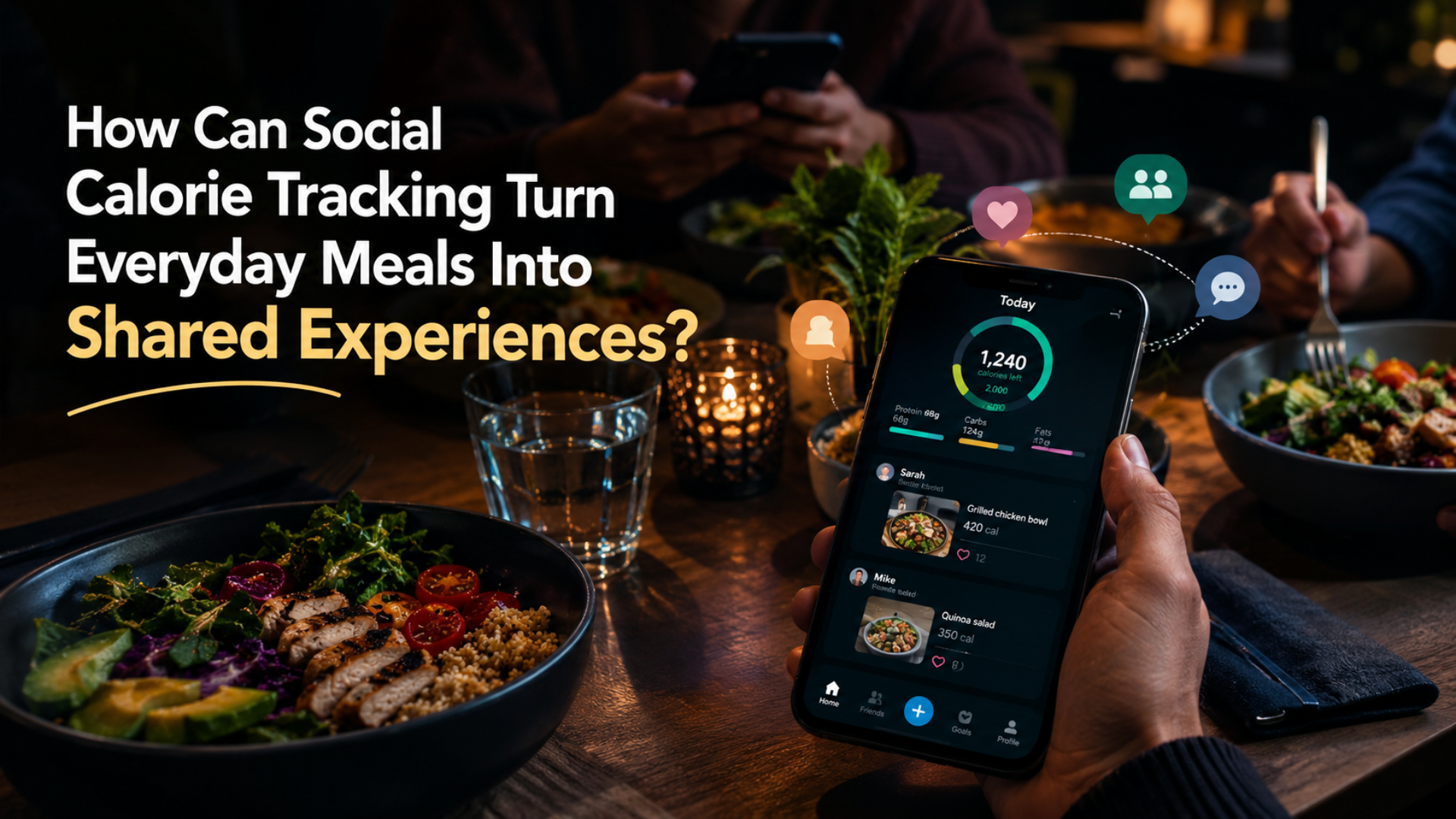
Food is often more than something we eat to satisfy hunger. Meals can create conversations, strengthen relationships, encourage healthier choices, and make everyday routines feel more enjoyable. However, tracking food alone can sometimes feel repetitive, especially when someone is trying to stay consistent with nutrition goals over a long period. Sharing meals, discussing food choices, and exchanging ideas can make the process feel more connected and motivating. A ***[social calorie tracker with meal sharing](https://calorietrackerbuddy.com/blog/best-social-calorie-tracker-with-meal-sharing-for-weight-loss/)*** brings these elements together by allowing people to make their eating habits more interactive. Instead of treating nutrition tracking as an isolated task, it can become an opportunity to communicate, discover new meal ideas, and encourage positive habits with others.
Making Everyday Meals More Social
Traditional food tracking often focuses on recording what was eaten and reviewing nutritional information afterward. While this can provide useful awareness, the experience may feel very individual. Social tracking changes the atmosphere by giving meals a more interactive dimension. When people can share what they prepared or enjoyed, a simple food entry can become part of a larger conversation.
This interaction can also make healthy eating feel less restrictive. Someone might share a colorful breakfast, a balanced lunch, or a homemade dinner and inspire another person to try something similar. The focus shifts from simply recording numbers toward exchanging practical ideas. As a result, meals can become opportunities for connection rather than another routine task that has to be completed alone.
Encouraging Positive Food Conversations

Shared meal experiences can encourage conversations that are centered on support rather than judgment. People have different nutritional needs, preferences, schedules, and goals, so comparing individual results is not always helpful. A healthier social environment recognizes these differences and encourages people to focus on their own progress.
For example, someone may share a meal that helped them stay satisfied during a busy day. Another person may respond with an alternative ingredient or preparation idea. These small exchanges can provide practical inspiration without creating unnecessary pressure. Over time, supportive conversations can help people become more aware of their choices while maintaining a flexible approach to eating.
Discovering New Meal Ideas
One of the most useful benefits of sharing meals is the opportunity to discover foods that may not otherwise appear in someone's routine. Seeing how others combine ingredients can introduce new flavors, recipes, and preparation methods. This variety can be especially valuable for people who become bored with repeating the same meals.
Meal sharing makes healthy choices feel easier by showing simple, realistic food ideas. A balanced plate, homemade snack, or quick meal can inspire others to create their own ***[healthy eating plan](https://calorietrackerbuddy.com/blog/healthy-eating-plan-fits-your-life/)***. This practical sharing adds variety, motivation, and creativity while making everyday nutrition more enjoyable and manageable.
Building Consistency Through Connection
Consistency becomes easier when healthy habits feel enjoyable and meaningful. Sharing ***[easy healthy meals](https://medium.com/@Nutritracker/what-are-the-benefits-of-choosing-easy-healthy-meals-daily-3f3d10ed2014)*** can add motivation through encouragement, fresh ideas, and positive social interaction. These features can support personal goals, making healthy routines more engaging, practical, and easier to maintain over time.
A supportive environment can also make occasional setbacks feel less discouraging. Missing a day of tracking or enjoying an indulgent meal does not have to become a reason to abandon healthy habits. A balanced approach allows people to continue from where they are rather than feeling that one imperfect choice has ruined their progress.
Keeping Sharing Healthy and Comfortable
Although social features can be motivating, they work best when users maintain healthy boundaries. Food choices should not become a competition over calories, portion sizes, or perceived perfection. Encouragement is more valuable when it respects individual circumstances and avoids judgment.
Privacy can also matter when sharing personal eating habits. People should have control over what they share and with whom they share it. When users feel comfortable and respected, social tracking can remain a positive part of their nutrition routine rather than becoming another source of pressure.
To Know More Click On - ***[Calorie Tracker Buddy is LIVE | Your Virtual Health Pet |](https://youtu.be/lHPLRjJOYdQ?si=wQULExgKR2Chy22O)***
Summary
Everyday meals can become more engaging when people have opportunities to communicate, exchange ideas, and encourage one another. A ***[social calorie tracker with meal sharing](https://calorietrackerbuddy.com/blog/best-social-calorie-tracker-with-meal-sharing-for-weight-loss/)*** can support this experience by connecting food awareness with meaningful social interaction. The goal is not to compete or judge different eating habits, but to create a space where people can discover inspiration and maintain consistency. When sharing remains supportive, flexible, and respectful, nutrition tracking can become a more enjoyable part of everyday life.
FAQs
1. How can social calorie tracking make meals more engaging?
It can turn individual food tracking into a shared experience where users exchange meal ideas, discuss choices, and encourage one another.
2. Can meal sharing help people stay consistent with nutrition goals?
Yes. Positive interaction and encouragement can provide additional motivation while making healthy habits feel more enjoyable and sustainable.
3. Should users compare their calorie intake with others?
Not necessarily. Individual nutritional needs differ, so supportive sharing is generally more useful than comparing calorie totals or judging another person's food choices.